
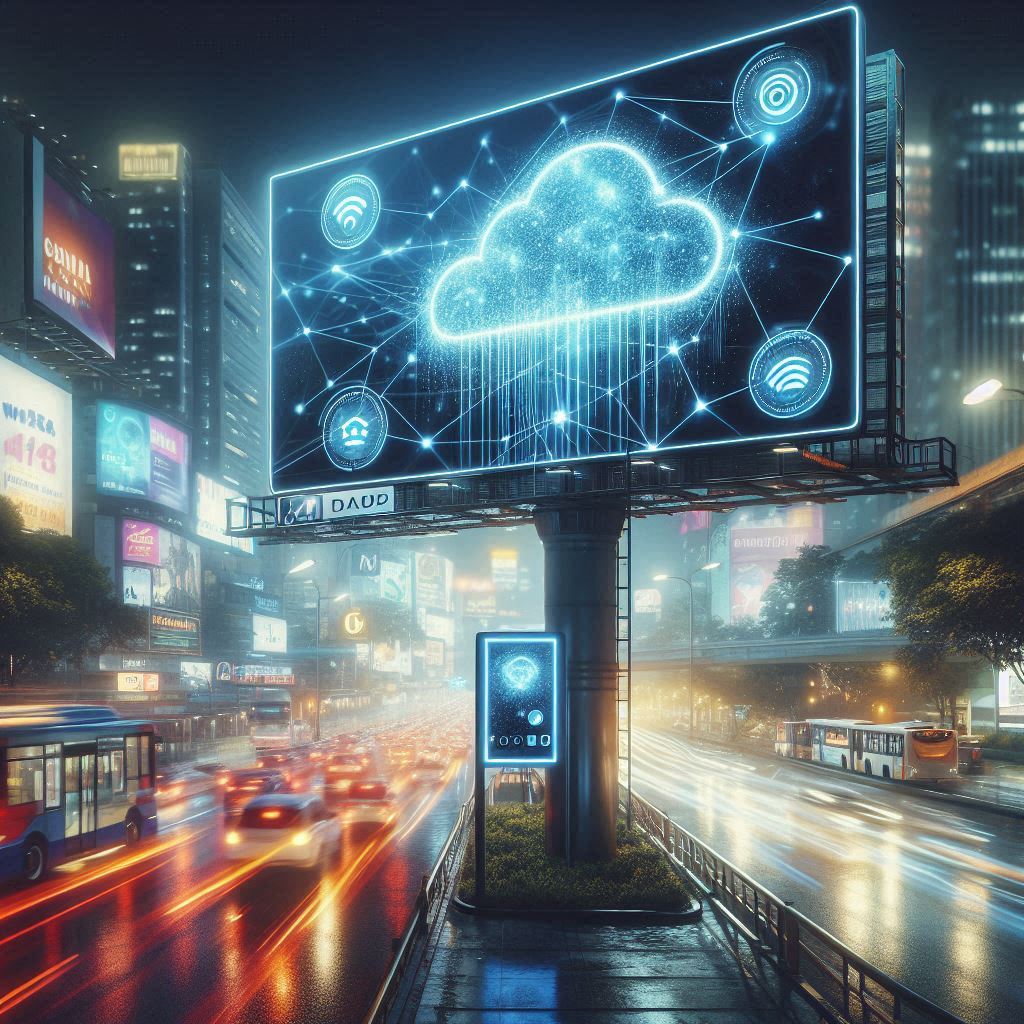
The Evolution of OOH Advertising in India and Globally
(From Billboards to Smart Digital Networks)
Introduction: From Static Hoardings to Intelligent Screens
Step outside your home and look around—on highways, metro stations, malls, or busy intersections. You’ll notice that advertising is no longer limited to static billboards. Today, screens change messages in real time, ads react to weather conditions, and campaigns are optimized using data and artificial intelligence.
This is the evolution of Out-of-Home (OOH) advertising—a transformation that has taken the industry from painted walls to smart, connected, and data-driven advertising ecosystems.
In this comprehensive guide, you’ll explore how OOH advertising has evolved in India and across the globe, the technologies driving this shift, and why it represents one of the most powerful opportunities for businesses and entrepreneurs today.
What is OOH Advertising? A Quick Recap
Out-of-Home (OOH) advertising refers to any form of advertising that reaches consumers when they are outside their homes.
Common Examples:
- Billboards and hoardings
- Transit advertising (buses, metros, taxis)
- Street furniture (bus stops, kiosks)
- Digital screens in malls and airports
The core idea is simple: capture attention in the real world, where people spend a large portion of their daily lives.
Despite the rise of digital media, OOH remains relevant because it is:
- Highly visible
- Non-skippable
- Trusted by audiences
Phase 1: Traditional OOH Advertising (Pre-Digital Era)
Global Perspective
Before the digital revolution, OOH advertising was entirely physical. Brands relied on:
- Hand-painted billboards
- Printed posters
- Large hoardings in urban centers
The process was manual and time-consuming:
- Booking ad space required negotiations
- Campaigns were fixed for weeks or months
- No real-time changes were possible
Indian Context
India has a rich history of traditional OOH advertising:
- Wall paintings in rural and urban areas
- Cinema posters and political banners
- Local hoardings dominating city landscapes
These formats were effective due to high visibility and low competition, but they lacked sophistication.
Key Limitations of Traditional OOH
- ❌ No measurable performance (no data or analytics)
- ❌ Static content (no flexibility)
- ❌ Inefficient booking and management
- ❌ Limited targeting capabilities
Despite these challenges, traditional OOH laid the foundation for what would become a massive industry transformation.
Phase 2: The Rise of Digital OOH (DOOH)
The next major shift came with the introduction of Digital Out-of-Home (DOOH) advertising.
Global Transformation
Globally, DOOH revolutionized the industry by introducing:
- LED billboards and digital screens
- Video-based advertising
- Dynamic and interactive content
Advertisers could now:
- Change ads instantly
- Run multiple campaigns on a single screen
- Schedule ads based on time and audience
India’s Digital Shift
India has witnessed rapid adoption of DOOH, especially in:
- Metro cities like Delhi, Mumbai, and Bangalore
- Airports, malls, and metro stations
- Highways and commercial hubs
While still developing compared to global markets, India’s DOOH ecosystem is growing fast due to:
- Urbanization
- Increased brand competition
- Government initiatives like Smart Cities Mission
Benefits of DOOH Advertising
- ✅ Real-time content updates
- ✅ Higher engagement with video and animation
- ✅ Better utilization of ad space
- ✅ Improved campaign efficiency
DOOH marked the transition from static advertising to dynamic storytelling.
Phase 3: Smart & Data-Driven OOH Advertising
The current phase of OOH evolution is defined by intelligence and automation.
Role of AI and Data
Modern OOH advertising uses:
- Artificial Intelligence (AI) to optimize campaigns
- Data analytics to track audience behavior
- Machine learning to improve targeting
Real-World Example
Imagine a digital billboard that:
- Shows cold drink ads on hot days
- Displays coffee ads during rainy weather
- Changes content based on traffic density
This is not hypothetical—it’s already happening.
Key Capabilities
- 🎯 Audience targeting based on demographics
- 📊 Real-time performance tracking
- 🔄 Dynamic content optimization
- 📱 Integration with mobile and online campaigns
This phase has transformed OOH into a data-driven marketing channel, similar to digital advertising.
Technologies Driving the Evolution
Several cutting-edge technologies are powering this transformation:
1. Artificial Intelligence (AI)
- Predicts audience behavior
- Optimizes ad placements
- Improves ROI
2. Internet of Things (IoT)
- Sensors track footfall, traffic, and environment
- Enables real-time ad adjustments
3. Big Data Analytics
- Collects and analyzes large volumes of audience data
- Provides actionable insights
4. Programmatic Advertising
- Automates buying and selling of ad space
- Enables real-time bidding
5. Blockchain Technology
- Ensures transparency in ad transactions
- Reduces fraud
- Enables tokenization of advertising assets
Together, these technologies are turning OOH into a smart, connected ecosystem.
OOH Advertising in India vs Global Markets
India: A High-Growth Opportunity
India’s OOH market is characterized by:
- Rapid digital adoption in urban areas
- Massive untapped potential in Tier-2 and Tier-3 cities
- Cost-effective advertising solutions
- Government-driven infrastructure development
However, challenges remain:
- Fragmented market structure
- Limited standardization
- Regulatory complexities
Global Markets: Mature and Advanced
In contrast, global markets (USA, Europe, UAE) have:
- Fully developed programmatic DOOH systems
- AI-driven personalization
- Integrated omnichannel marketing strategies
Key Insight
- India = Growth + Opportunity
- Global Markets = Innovation + Maturity
This creates a unique window for entrepreneurs to build scalable solutions in emerging markets like India.
Major Milestones in OOH Evolution
- Transition from painted billboards to printed hoardings
- Introduction of digital screens (DOOH)
- Adoption of programmatic advertising
- Integration of data analytics and AI
- Emergence of blockchain-based advertising systems
Each milestone has made OOH more efficient, measurable, and impactful.
Challenges in the Evolution of OOH Advertising
Despite rapid progress, the industry faces several challenges:
1. High Infrastructure Costs
- Digital screens and maintenance are expensive
2. Regulatory Restrictions
- Advertising laws vary by region
3. Data Privacy Concerns
- Audience tracking raises ethical questions
4. Market Fragmentation
- Especially in India, with many small vendors
5. Measurement Issues
- Lack of standardized metrics across platforms
Addressing these challenges is key to unlocking the full potential of OOH advertising.
The Future of OOH Advertising
The next decade will redefine OOH advertising completely.
Key Trends to Watch:
🤖 AI-Powered Autonomous Advertising
- Self-optimizing billboards
- Fully automated campaigns
🔗 Blockchain & Tokenization
- Advertising assets converted into digital tokens
- Fractional ownership of billboards
- Transparent revenue sharing
🌐 Decentralized Ad Marketplaces
- Peer-to-peer buying and selling of ad space
- Elimination of middlemen
🕶️ AR/VR Integration
- Interactive outdoor experiences
- Immersive brand engagement
📊 Hyper-Personalization
- Ads tailored to specific audience segments in real time
The future is not just digital—it’s intelligent, decentralized, and immersive.
Business & Investment Opportunities
For entrepreneurs and investors, OOH advertising offers massive potential:
Startup Opportunities:
- Digital billboard networks
- AdTech platforms
- Blockchain-based advertising systems
Revenue Models:
- Subscription-based ad platforms
- Tokenized asset marketplaces
- Franchise-based advertising networks
Investment Areas:
- Smart city advertising infrastructure
- AI-driven analytics platforms
- Programmatic DOOH solutions
OOH is evolving into a new asset class, not just a marketing channel.
Why This Evolution Matters for Businesses
Businesses that understand and adopt modern OOH can gain a competitive edge:
- 📈 Higher ROI through better targeting
- 📍 Strong local market presence
- 🔄 Integration with digital marketing campaigns
- 💡 Innovative brand storytelling
In a crowded digital world, OOH offers real-world visibility with digital intelligence.
Conclusion: From Hoardings to Smart Assets
The journey of OOH advertising—from painted walls to AI-powered digital networks—reflects a broader transformation in how brands communicate with audiences.
Today, OOH is:
- Data-driven
- Technology-enabled
- Scalable and measurable
Tomorrow, it will become:
- Autonomous
- Decentralized
- Tokenized
For entrepreneurs, marketers, and investors, this evolution represents a once-in-a-generation opportunity to shape the future of advertising.
The future of advertising is not just online—it’s everywhere.
SEO Keywords
Primary Keywords:
- Evolution of OOH Advertising
- Outdoor Advertising in India
- Digital Out-of-Home Advertising
Secondary Keywords:
- Smart billboards
- Programmatic DOOH
- AI in advertising
- Blockchain advertising
Long-Tail Keywords:
- History of outdoor advertising in India
- How OOH advertising evolved globally
- Future of digital billboards