
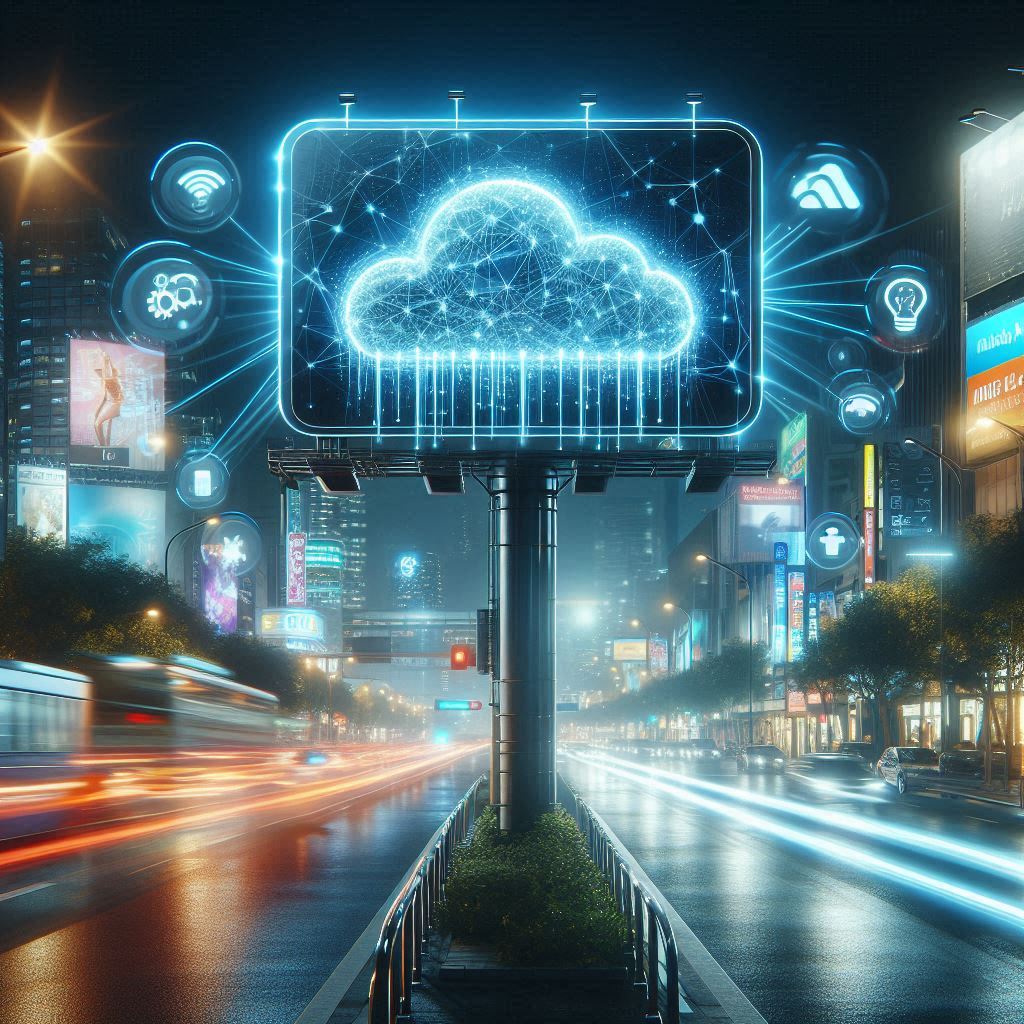
What is Out-of-Home Advertising in the Digital Age? (Complete Beginner’s Guide 2026)
Introduction: Why Out-of-Home Advertising Still Matters
Imagine walking down a busy street and seeing a giant digital billboard that changes ads based on the time of day—or even the weather. That’s not the future. That’s Out-of-Home (OOH) advertising in the digital age.
In a world dominated by smartphones and social media, many people assume outdoor advertising is outdated. But the reality is the opposite—OOH advertising is evolving faster than ever, powered by technologies like Artificial Intelligence (AI), data analytics, and smart digital screens.
This guide will help you understand OOH advertising in the simplest way possible—whether you’re a student, entrepreneur, or marketer.
What is Out-of-Home Advertising?
Out-of-Home (OOH) advertising refers to any type of advertising that reaches people when they are outside their homes.
Simple Explanation:
If you see an advertisement while traveling, shopping, or commuting—it’s OOH advertising.
Common Examples:
- Billboards on highways
- Ads on buses, autos, and metros
- Posters at bus stops
- Digital screens in malls and airports
The goal is simple: capture attention in the real world where people live, move, and interact.
Evolution of OOH Advertising
Traditional OOH (Old Era)
- Static billboards (printed banners)
- No real-time updates
- Difficult to measure performance
- Manual booking and long contracts
Digital OOH (New Era)
- LED screens and smart billboards
- Video ads and animations
- Real-time content updates
- Data-driven targeting
The shift from static to digital has transformed OOH into a dynamic, measurable, and interactive medium.
What is Digital Out-of-Home (DOOH)?
Digital Out-of-Home (DOOH) is the modern version of OOH advertising that uses digital screens instead of printed ads.
Examples of DOOH:
- LED billboards in cities
- Screens in shopping malls
- Airport display ads
- Metro station digital panels
Key Features:
- Dynamic content (video, motion graphics)
- Real-time updates
- Programmatic ad buying
- Audience-based targeting
DOOH combines the impact of physical advertising with the intelligence of digital marketing.
Technologies Powering Modern OOH Advertising
The digital transformation of OOH is driven by powerful technologies:
1. Artificial Intelligence (AI)
- Analyzes audience behavior
- Optimizes ad placements
- Predicts best-performing campaigns
2. Data Analytics
- Tracks impressions and engagement
- Measures ROI more accurately
3. Internet of Things (IoT)
- Sensors detect traffic, weather, and crowd density
- Ads adjust in real time
4. Programmatic Advertising
- Automated buying and selling of ad spaces
- Real-time bidding systems
5. Blockchain Technology
- Ensures transparency in ad transactions
- Reduces fraud
- Enables tokenization of ad spaces
How OOH Advertising Works Today (Step-by-Step)
- Advertiser defines target audience
- Platform selects best locations and screens
- Ads are scheduled dynamically
- Audience data is collected via sensors and analytics
- Campaign performance is optimized in real-time
This process makes modern OOH advertising smart, efficient, and measurable.
Benefits of Out-of-Home Advertising in the Digital Age
1. High Visibility
OOH ads are large, unavoidable, and seen by thousands daily.
2. Non-Skippable
Unlike online ads, you cannot skip a billboard.
3. Local Targeting
Perfect for targeting specific cities, streets, or neighborhoods.
4. Real-Time Updates
Ads can change instantly based on time, weather, or events.
5. Multi-Channel Integration
OOH works well with mobile, social media, and digital campaigns.
Challenges in Modern OOH Advertising
Despite its advantages, OOH has some challenges:
- High initial setup cost for digital infrastructure
- Limited standardization in measurement metrics
- Regulatory restrictions in certain regions
- Privacy concerns with audience tracking
However, emerging technologies are actively solving these issues.
OOH Advertising in India vs Global Markets
India:
- Rapid growth in metro cities like Delhi, Mumbai, Bangalore
- Increasing adoption of digital billboards
- Huge untapped potential in Tier-2 and Tier-3 cities
- Government-backed smart city initiatives
Global Markets:
- Highly advanced programmatic DOOH systems
- AI-powered personalized advertising
- Strong integration with online marketing channels
India is currently in a high-growth phase, making it a major opportunity for entrepreneurs.
The Future of Out-of-Home Advertising
The future of OOH advertising is incredibly exciting:
- AI-powered smart billboards that adapt to viewers
- Personalized ads based on real-time data
- Blockchain-based transparency in ad transactions
- Tokenization of billboard assets for investment opportunities
- Fully automated ad ecosystems with minimal human intervention
OOH is not just evolving—it is becoming a smart, autonomous advertising network.
Real-World Use Cases
- Brands launching products using high-impact digital billboards
- Political campaigns targeting mass audiences
- Local businesses attracting nearby customers
- Events and concerts using geo-targeted outdoor ads
Why Businesses Should Invest in OOH Advertising
- Builds strong brand presence in the real world
- Increases trust and credibility
- Complements digital marketing strategies
- Offers high ROI when combined with data analytics
- Ideal for startups, SMEs, and large enterprises
Conclusion
Out-of-Home advertising is not outdated—it is reborn in the digital age.
With the integration of AI, data analytics, IoT, and blockchain, OOH has become one of the most powerful and future-ready advertising channels.
For businesses, marketers, and entrepreneurs, this is a golden opportunity to leverage a medium that combines physical impact with digital intelligence.
SEO Keywords
Primary Keywords:
- Out-of-Home Advertising
- Digital OOH (DOOH)
- Outdoor Advertising in India
Secondary Keywords:
- Smart billboards
- Programmatic advertising
- AI in advertising
- Blockchain advertising
Long-tail Keywords:
- What is out-of-home advertising in simple terms
- Benefits of digital billboards in India
- Future of outdoor advertising